Learn the Art of High Speed Braking and Cornering in a Closed Circuit
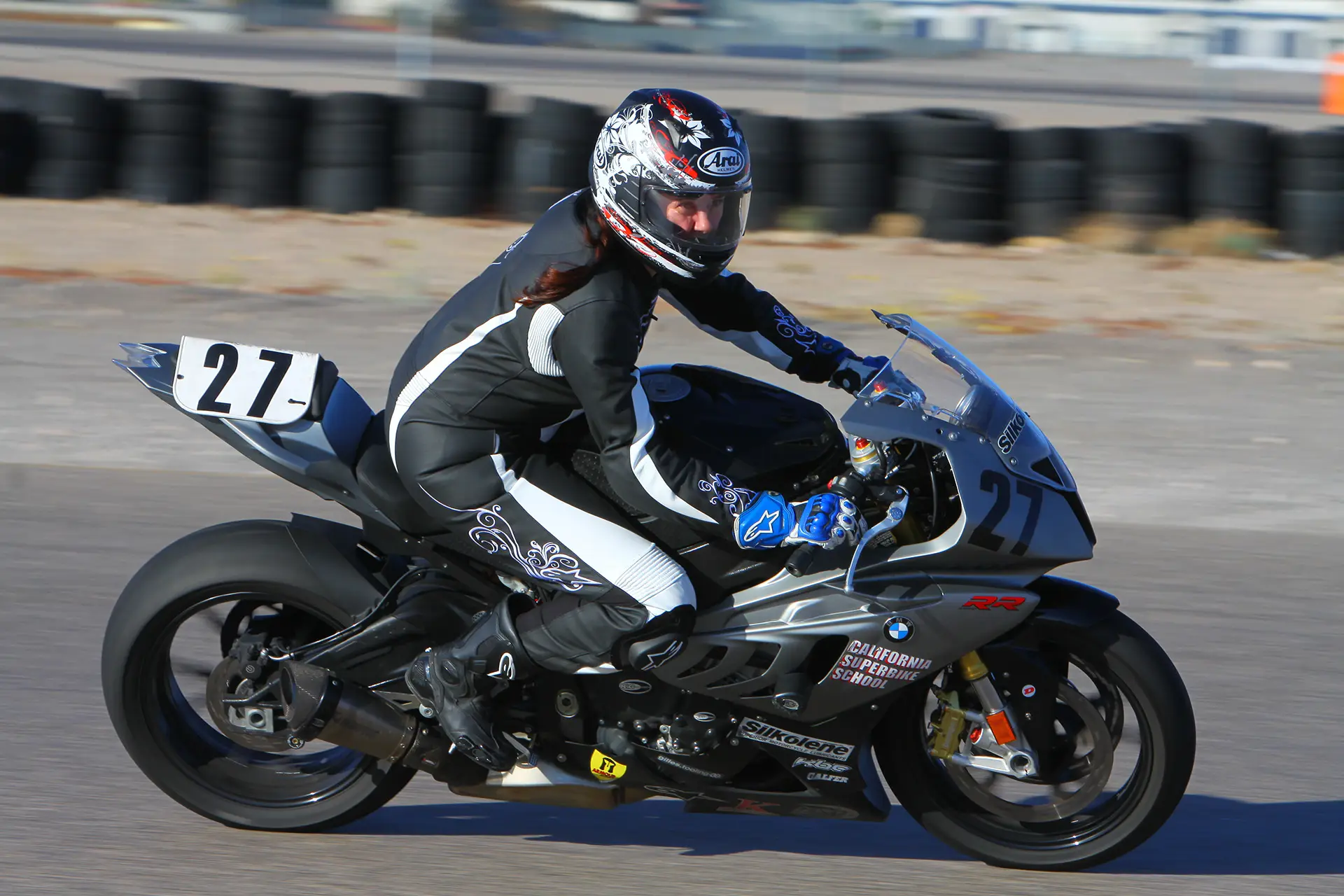
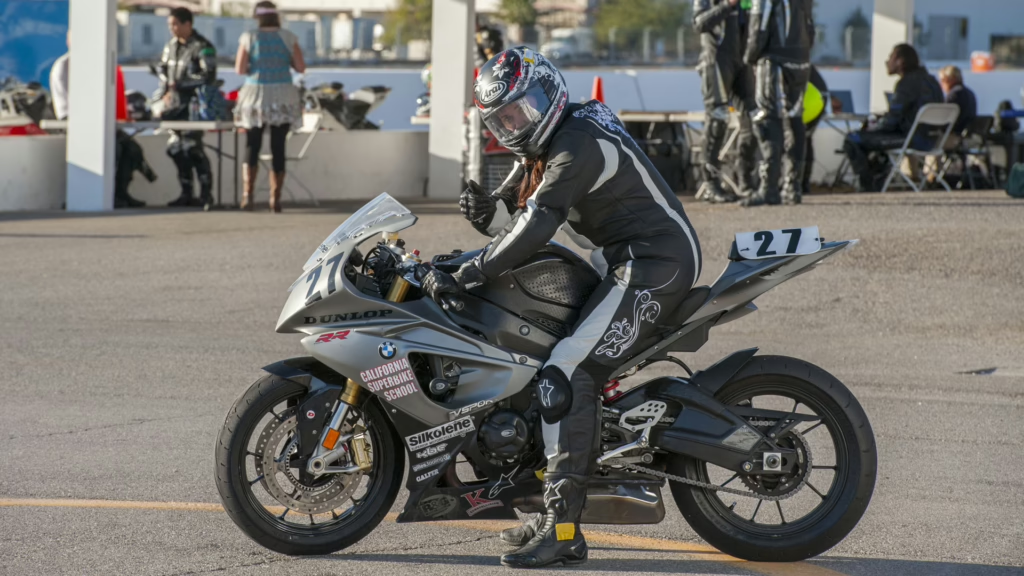
I’ve been to track day at California Superbike School and often go to Area 27 Motorsports Park for OPP Track Day to photograph the participants.
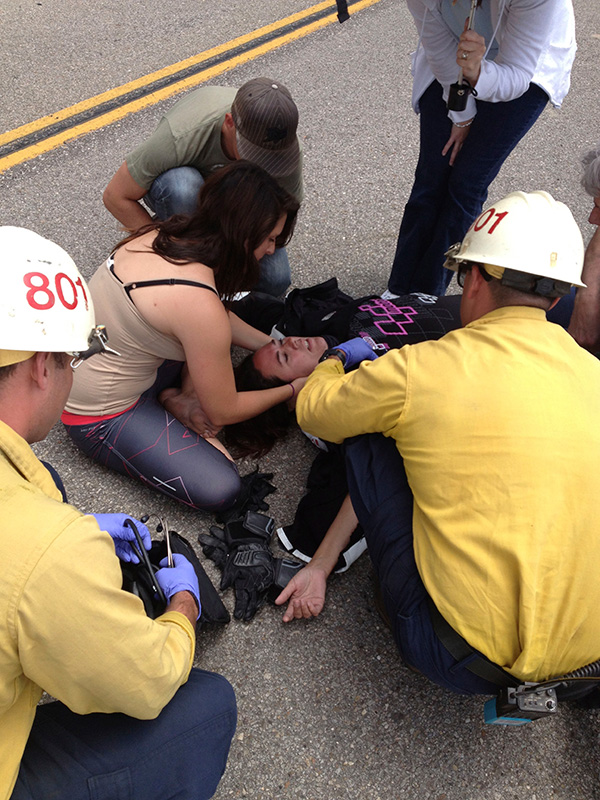
Years ago, I crashed my motorcycle.
Yup, that’s me laying on the highway in California after I did an unintended flat track slide into a guard rail on the Pacific Coast Highway. It was dramatic to say the least, but turned out fine.
Like many riders after an accident, I replayed every moment in my head, wondering what I could have done differently. I debated giving up riding but instead I decided to reach out to the experts and get back on a bike.
I enrolled in California Superbike School.
It changed the way I ride forever.
What struck me most wasn’t how to go faster. It was how much I didn’t know about braking, vision, cornering and the capabilities of my own motorcycle. I left with more confidence, smoother riding habits and a much deeper understanding of how to react when things don’t go according to plan.
Looking back, I only have one regret.
I wish I had gone to a track day before my accident.
That experience is one of the reasons I still believe every motorcyclist—regardless of what they ride—should experience a track day at least once and learn the parameters of what a motorcycle can actually do.
Looking Through Two Lenses
I often think back to the day I walked into California Superbike School after my crash.
Like many riders, I believed experience came from accumulating miles. What I discovered instead was that experience without proper technique can leave dangerous gaps in your riding.
One sentence has stayed with me ever since.
“Learn the skill. The speed will follow.”
That philosophy changed everything.
It wasn’t about chasing lap records. It was about understanding vision, braking, throttle control and cornering so thoroughly that the motorcycle became predictable instead of intimidating.
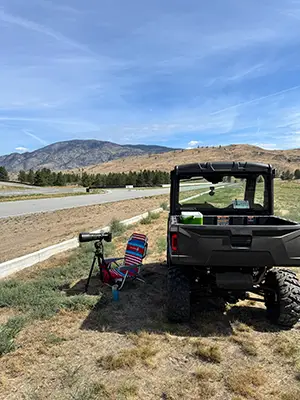
Years later, standing trackside at Area 27 with a camera in my hands, I found myself watching riders experience those same breakthroughs. Every session was another opportunity to become smoother, calmer and more confident—not because they were riding faster, but because they were riding better.
That lesson is one of the reasons I’m looking forward to reading Life in the Fast Lane: Discovering the Art of Cornering by California Superbike School coach and former AMA Pro racer Misti Hurst. Having spent decades coaching riders around the world, Misti has helped thousands of motorcyclists discover the same truth I learned after my own accident: mastering the fundamentals builds confidence that lasts long after the track day ends. Her new book promises to bring those lessons to riders everywhere.
If I could offer one piece of advice to every rider—whether you’re buying your first motorcycle or you’ve been riding for decades—it would be this:
Don’t wait until after a crash to discover what you and your motorcycle are truly capable of.
Invest in your skills first.
The speed, the confidence and the enjoyment will follow.
Learning What Your Motorcycle Can Really Do
Modern motorcycles are incredibly capable machines, yet most riders never have the opportunity to safely explore what their motorcycle can actually do.
On public roads, there are simply too many unknowns—traffic, wildlife, gravel, distracted drivers and changing road conditions.
A racetrack removes those distractions.
In a controlled environment, riders can practice emergency braking from highway speeds, improve their vision through corners, understand weight transfer and experience how modern suspension, tires and braking systems perform when they’re used correctly.
The goal isn’t to ride beyond your limits. It’s to better understand them.
Ironically, riders often discover that the motorcycle is capable of far more than they imagined—and that improving their own technique unlocks even more confidence and potentially, life saving reaction time.
The Best Safety Upgrade Isn’t a Motorcycle
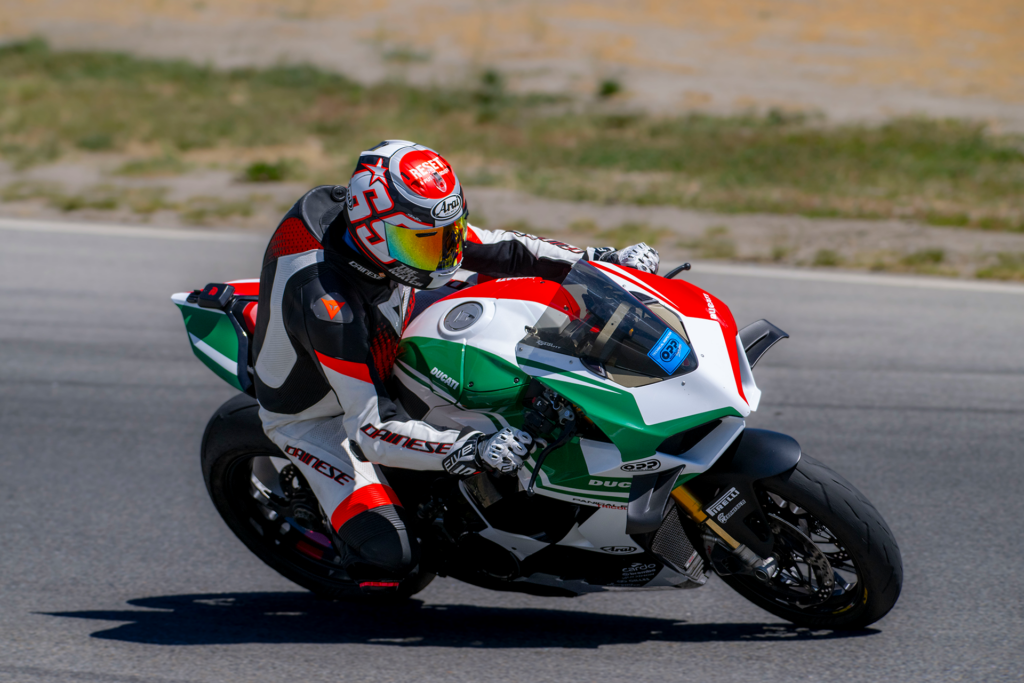
One thing I noticed throughout the day was the quality of equipment riders trusted.
Walk through the paddock and you’ll see premium helmets, protective jackets or leather suits, riding boots, gloves, back protectors and increasingly, airbag systems.
These riders understand something every new motorcyclist should know: quality riding gear isn’t an accessory nor is it an option during a track day. It’s part of your safety system.
If you’re new to motorcycling and wondering where to spend your money, don’t focus only on horsepower or accessories. Invest in the equipment that protects you if things go wrong.
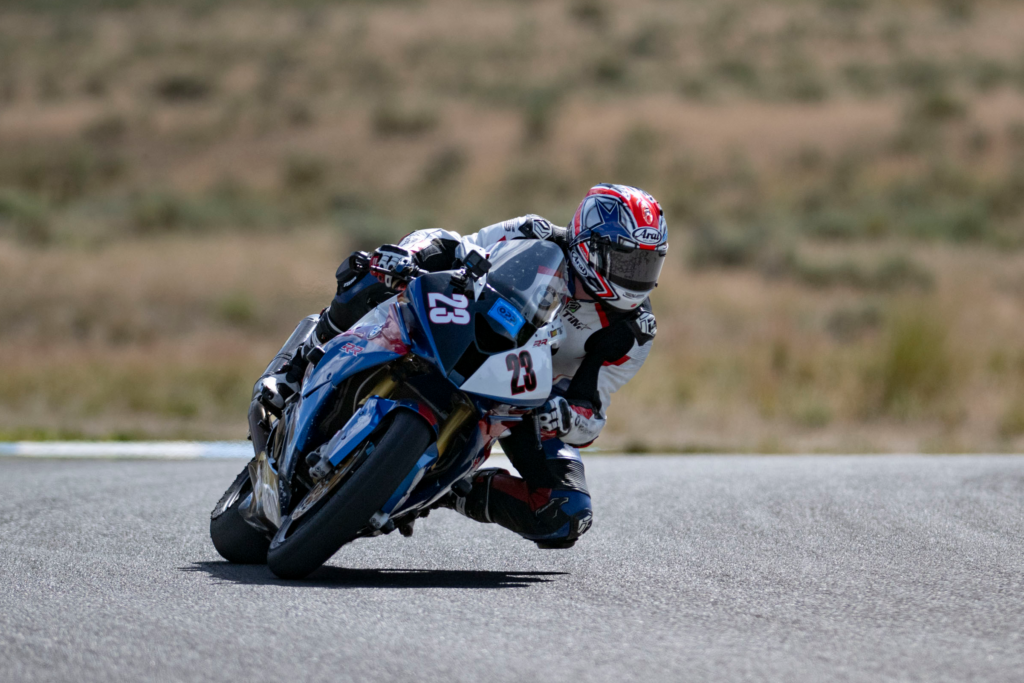
Watching experienced riders prepare for each session is a reminder that the smartest investment isn’t always bolted to the motorcycle.
If you watch MotoGP, and have seen the athletes go down and get back up and continue racing, personally, I want what their wearing.
Every Rider Can Benefit
One of the biggest misconceptions about track days is that they’re only for sport bike riders.
Nothing could be further from the truth.
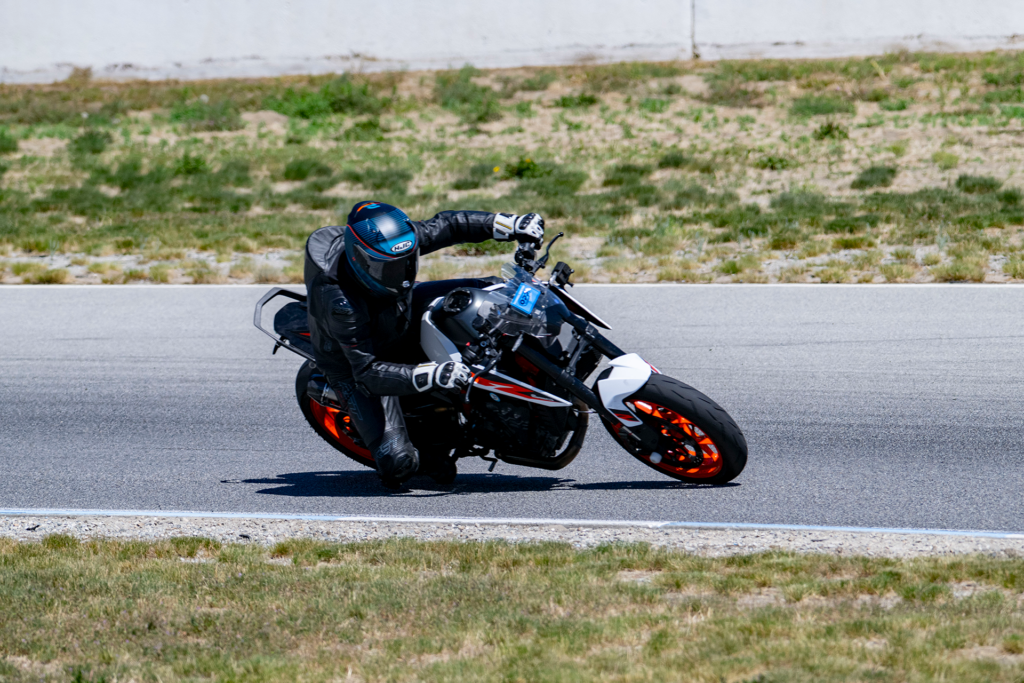
Whether you ride a cruiser, touring motorcycle, adventure bike, naked bike or sport bike, every rider relies on the same core skills: vision, braking, throttle control, balance and cornering.
Those skills don’t just make riding more enjoyable.
They make riding safer.
Why I Keep Coming Back
I’ve experienced a track day from both sides of the fence.
I’ve been the rider learning skills that I wish I’d learned years earlier.
As a 20 year veteran sports photographer, I attend track days to document others on that same journey.
Both experiences have reinforced the same belief.
A track day isn’t about becoming a racer.
It’s about becoming a better motorcyclist.
If attending California Superbike School taught me anything, it’s that confidence doesn’t come from riding faster. It comes from understanding your motorcycle, trusting your skills and continuing to learn every time you ride.
If more riders experienced that before they ever needed it, I truly believe our roads would be safer for everyone.